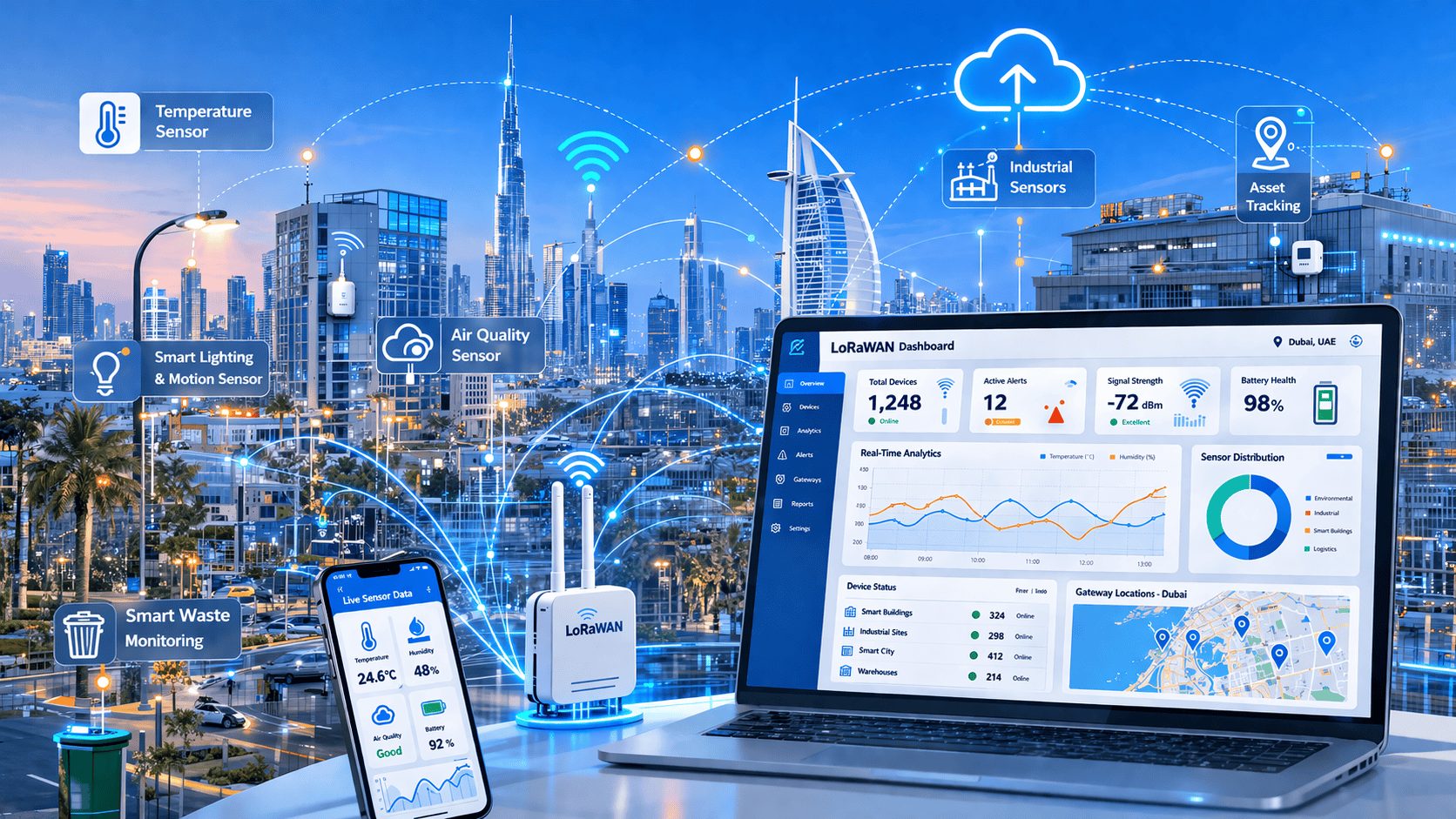
LoRaWAN Sensor: The Complete Guide for IoT, Smart Cities, and Business Applications
You have probably heard about IoT devices and smart monitoring systems already. But many businesses still struggle to find a reliable and low cost solution that works across large areas. In this guide, you will clearly understand LoRaWAN sensors, how they work, and how to use them in real business scenarios.
Key Takeaways
LoRaWAN sensors are low power wireless devices that transmit data over long distances using a wide area network.
First, these sensors collect real world data such as temperature, humidity, motion, or location. Then they send this data through a LoRaWAN network to a central system for analysis. For example, a temperature sensor in a warehouse can send updates every 10 minutes without needing frequent battery replacement.
In simple terms, a LoRaWAN sensor is part of a wireless sensor network designed for long range and low energy consumption.
For more basics, read our guide on wireless sensor network setup.
LoRaWAN sensors are important because they enable scalable and cost-effective IoT deployments across large geographic areas.
First, they reduce infrastructure costs because fewer gateways can cover larger areas compared to WiFi. For example, one LoRaWAN gateway can cover up to 10 to 15 km in rural environments.
Second, they improve battery life significantly. Devices can last up to 5 to 10 years depending on usage — Source: LoRa Alliance, 2024.
Third, they support massive device connectivity. A single network can handle thousands of devices without performance issues.
If you are exploring IoT solutions in UAE, LoRaWAN becomes one of the most practical options.
LoRaWAN communication involves sensors, gateways, and a central network server for data processing.
First, the sensor collects data from its environment. For example, a soil moisture sensor measures water levels in agriculture.
Second, the sensor sends data wirelessly to a nearby LoRaWAN gateway. This gateway acts as a bridge between devices and the internet.
Third, the data is forwarded to a network server where it is processed and stored. Finally, users can access this data through dashboards or applications.
Key Components of LoRaWAN Systems
For deeper technical understanding, check LoRaWAN gateway setup guide.
LoRaWAN sensors are categorized based on the type of data they collect and their application.
Environmental Sensors
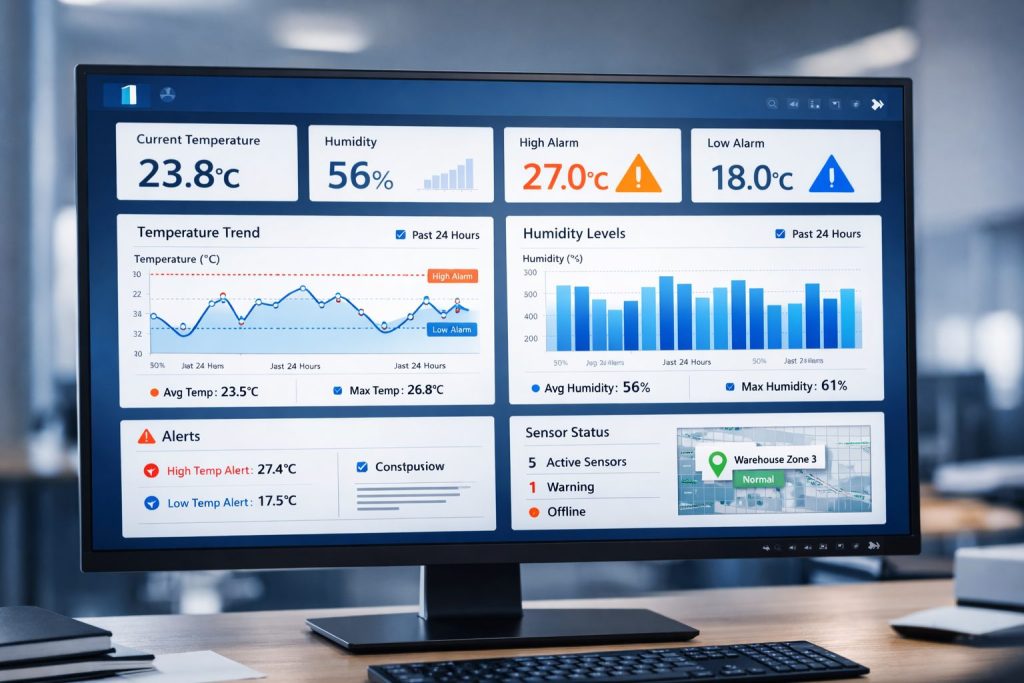
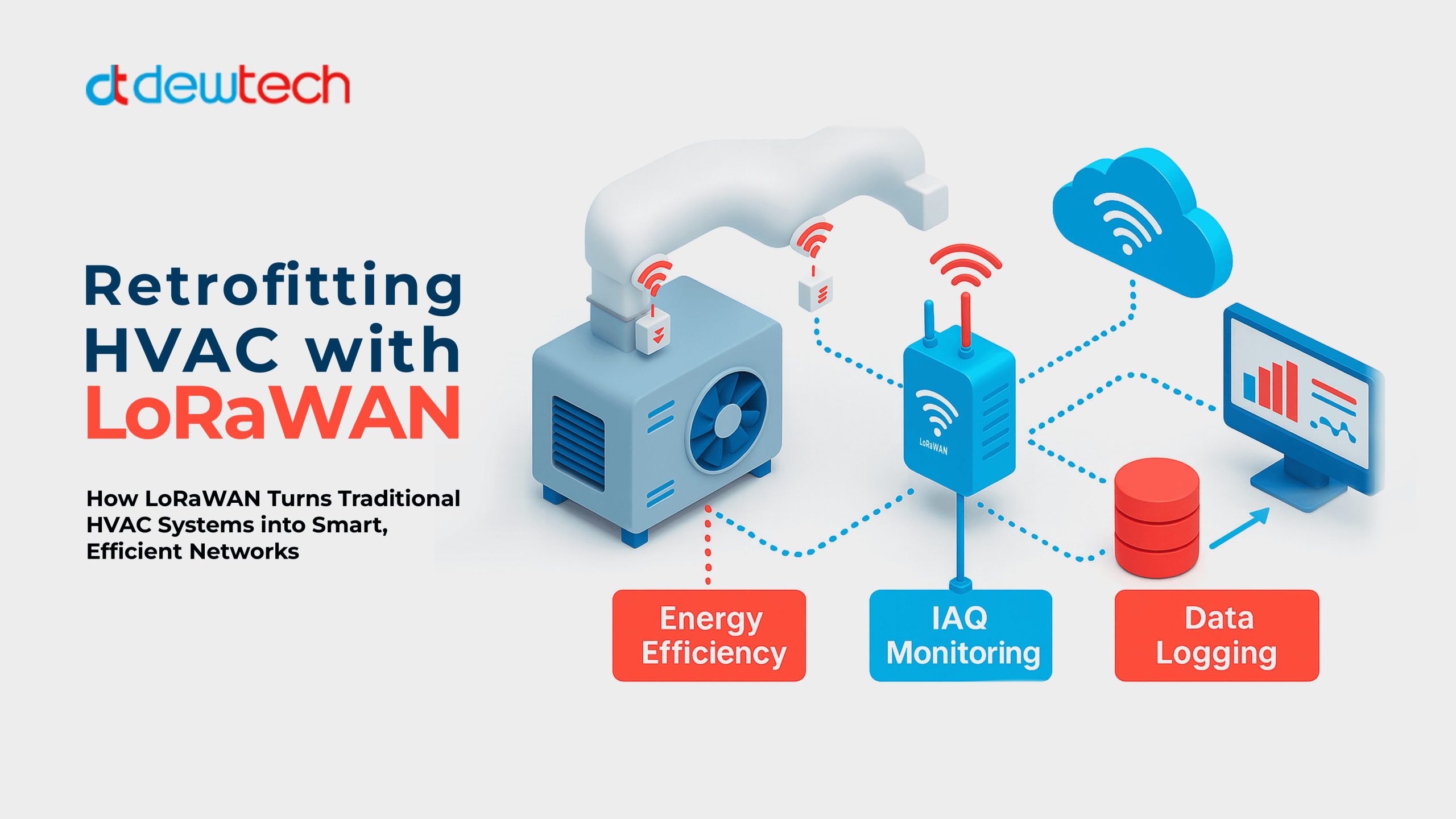
Environmental sensors measure conditions like temperature, humidity, and air quality. For example, smart buildings use these sensors to control HVAC systems efficiently.
Asset Tracking Sensors
Asset tracking sensors monitor the location of vehicles, containers, or equipment. For example, logistics companies track shipments in real time across cities. Explore more in the asset tracking system for logistics.
Smart Metering Sensors
Smart meters track energy, water, and gas usage. For example, utility companies use them to automate billing and reduce manual readings.
Industrial Sensors
Industrial sensors monitor machines, vibration, and performance. For example, factories use them for predictive maintenance.
For related solutions, see the industrial IoT implementation guide.
LoRaWAN sensors are widely used in smart cities, agriculture, logistics, and industrial automation.
Smart Cities
Cities use LoRaWAN for smart lighting, waste management, and parking systems. For example, sensors detect whether parking spaces are occupied and send real-time updates.
Agriculture
Farmers use sensors for soil moisture, irrigation, and crop monitoring. This helps improve yield while reducing water usage. Check smart agriculture IoT solutions.
Logistics and Warehousing
Businesses track assets, monitor conditions, and improve supply chain visibility. For example, cold storage sensors ensure products stay within safe temperature ranges.
Utilities
Utility companies use LoRaWAN for smart metering and infrastructure monitoring.
LoRa is the physical wireless modulation technology, while LoRaWAN is the communication protocol that defines how devices use that technology.
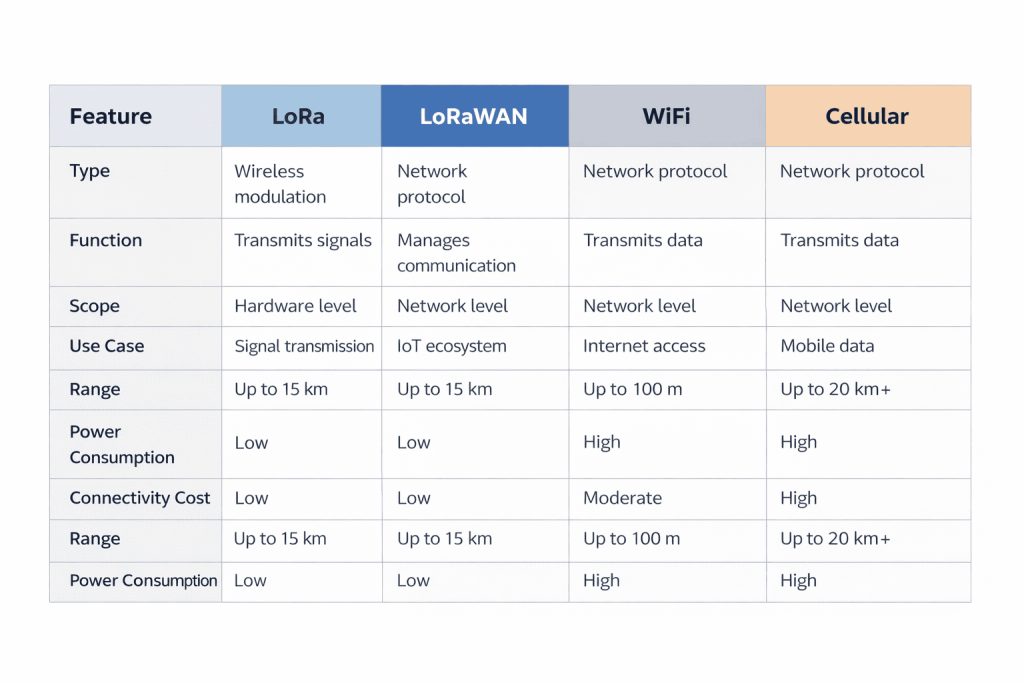
LoRaWAN offers long-range communication, low power consumption, and cost efficiency compared to WiFi and cellular networks.
First, LoRaWAN consumes much less power than cellular networks. Devices can operate for years without battery replacement.
Second, it provides better coverage in remote areas. For example, farms and industrial zones benefit from wide coverage.
Third, it reduces operational costs since there are no recurring SIM charges like cellular networks.
According to industry reports, IoT deployments using LPWAN technologies can reduce connectivity costs by up to 80 percent — Source: GSMA, 2023.
LoRaWAN tools help you manage devices, visualize data, and scale deployments effectively.
First, you can use IoT platforms to monitor data in real time. For example, dashboards show sensor readings, alerts, and trends.
Second, device management platforms help control firmware updates and configurations.
You can integrate with IoT device management platform for centralised control.
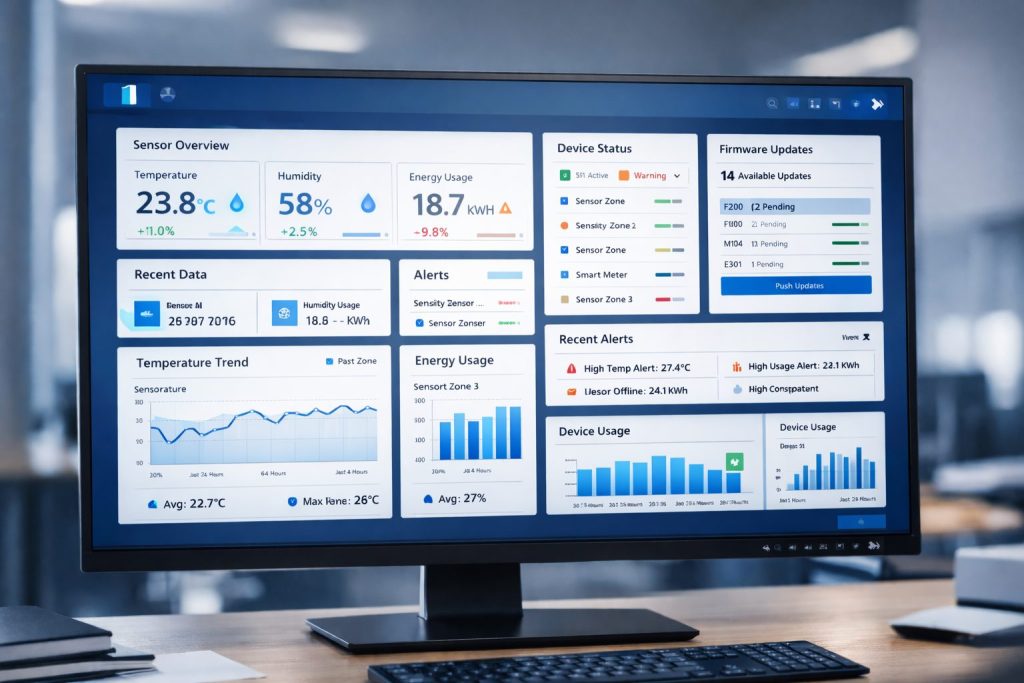
Also, free tools like cloud dashboards or open source platforms can help in early stages.
Implementing LoRaWAN sensors involves selecting the right devices, setting up gateways, and integrating with a platform.
First, define your use case clearly. For example, tracking assets requires GPS enabled sensors.
Second, choose compatible sensors and gateways. This ensures smooth communication.
Third, deploy a pilot project before scaling. This helps identify issues early.
Finally, integrate data with business systems for actionable insights.
For full deployment support, explore smart city technology solutions.
LoRaWAN sensors are transforming how businesses collect and use data across industries. They offer long-range connectivity, low power consumption, and scalable IoT solutions. By choosing the right sensors and implementing them correctly, you can reduce costs, improve efficiency, and build smarter systems. Start small, test your setup, and scale based on real results.
Key Takeaways
- LoRaWAN sensors are low power devices designed for long range wireless communication in IoT networks.
- LoRaWAN networks can transmit data over several kilometers with minimal battery usage.
- Different sensor types support industries like logistics, agriculture, smart cities, and utilities.
- Businesses use LoRaWAN sensors to reduce costs, automate monitoring, and improve efficiency.
- A proper combination of sensors, gateways, and network servers is required for deployment.
- Selecting the right sensor depends on use case, environment, and scalability requirements.
What Is a LoRaWAN Sensor?
LoRaWAN sensors are low power wireless devices that transmit data over long distances using a wide area network.
First, these sensors collect real world data such as temperature, humidity, motion, or location. Then they send this data through a LoRaWAN network to a central system for analysis. For example, a temperature sensor in a warehouse can send updates every 10 minutes without needing frequent battery replacement.
In simple terms, a LoRaWAN sensor is part of a wireless sensor network designed for long range and low energy consumption.
For more basics, read our guide on wireless sensor network setup.
Why Are LoRaWAN Sensors Important for IoT Solutions?
LoRaWAN sensors are important because they enable scalable and cost-effective IoT deployments across large geographic areas.
First, they reduce infrastructure costs because fewer gateways can cover larger areas compared to WiFi. For example, one LoRaWAN gateway can cover up to 10 to 15 km in rural environments.
Second, they improve battery life significantly. Devices can last up to 5 to 10 years depending on usage — Source: LoRa Alliance, 2024.
Third, they support massive device connectivity. A single network can handle thousands of devices without performance issues.
If you are exploring IoT solutions in UAE, LoRaWAN becomes one of the most practical options.
How Does a LoRaWAN Sensor Work?
LoRaWAN communication involves sensors, gateways, and a central network server for data processing.
First, the sensor collects data from its environment. For example, a soil moisture sensor measures water levels in agriculture.
Second, the sensor sends data wirelessly to a nearby LoRaWAN gateway. This gateway acts as a bridge between devices and the internet.
Third, the data is forwarded to a network server where it is processed and stored. Finally, users can access this data through dashboards or applications.
Key Components of LoRaWAN Systems
- Sensors or end devices
- LoRaWAN gateways
- Network server
- Application server
For deeper technical understanding, check LoRaWAN gateway setup guide.
What Are the Different Types of LoRaWAN Sensors?
LoRaWAN sensors are categorized based on the type of data they collect and their application.
Environmental Sensors
Environmental sensors measure conditions like temperature, humidity, and air quality. For example, smart buildings use these sensors to control HVAC systems efficiently.
Asset Tracking Sensors
Asset tracking sensors monitor the location of vehicles, containers, or equipment. For example, logistics companies track shipments in real time across cities. Explore more in the asset tracking system for logistics.
Smart Metering Sensors
Smart meters track energy, water, and gas usage. For example, utility companies use them to automate billing and reduce manual readings.
Industrial Sensors
Industrial sensors monitor machines, vibration, and performance. For example, factories use them for predictive maintenance.
For related solutions, see the industrial IoT implementation guide.
Where Are LoRaWAN Sensors Used in Real Industries?
LoRaWAN sensors are widely used in smart cities, agriculture, logistics, and industrial automation.
Smart Cities
Cities use LoRaWAN for smart lighting, waste management, and parking systems. For example, sensors detect whether parking spaces are occupied and send real-time updates.
Agriculture
Farmers use sensors for soil moisture, irrigation, and crop monitoring. This helps improve yield while reducing water usage. Check smart agriculture IoT solutions.
Logistics and Warehousing
Businesses track assets, monitor conditions, and improve supply chain visibility. For example, cold storage sensors ensure products stay within safe temperature ranges.
Utilities
Utility companies use LoRaWAN for smart metering and infrastructure monitoring.
What Is the Difference Between LoRa and LoRaWAN?
LoRa is the physical wireless modulation technology, while LoRaWAN is the communication protocol that defines how devices use that technology.
What Are the Benefits of LoRaWAN Over WiFi or Cellular?
LoRaWAN offers long-range communication, low power consumption, and cost efficiency compared to WiFi and cellular networks.
First, LoRaWAN consumes much less power than cellular networks. Devices can operate for years without battery replacement.
Second, it provides better coverage in remote areas. For example, farms and industrial zones benefit from wide coverage.
Third, it reduces operational costs since there are no recurring SIM charges like cellular networks.
According to industry reports, IoT deployments using LPWAN technologies can reduce connectivity costs by up to 80 percent — Source: GSMA, 2023.
Tools and Platforms for LoRaWAN Sensors
LoRaWAN tools help you manage devices, visualize data, and scale deployments effectively.
First, you can use IoT platforms to monitor data in real time. For example, dashboards show sensor readings, alerts, and trends.
Second, device management platforms help control firmware updates and configurations.
You can integrate with IoT device management platform for centralised control.
Also, free tools like cloud dashboards or open source platforms can help in early stages.
What Should You Do Next to Implement LoRaWAN Sensors?
Implementing LoRaWAN sensors involves selecting the right devices, setting up gateways, and integrating with a platform.
First, define your use case clearly. For example, tracking assets requires GPS enabled sensors.
Second, choose compatible sensors and gateways. This ensures smooth communication.
Third, deploy a pilot project before scaling. This helps identify issues early.
Finally, integrate data with business systems for actionable insights.
For full deployment support, explore smart city technology solutions.
Conclusion
LoRaWAN sensors are transforming how businesses collect and use data across industries. They offer long-range connectivity, low power consumption, and scalable IoT solutions. By choosing the right sensors and implementing them correctly, you can reduce costs, improve efficiency, and build smarter systems. Start small, test your setup, and scale based on real results.
Share
Don?t Have An Account?
Have An Account?